


SEO The Business Optimizer
Search Engine Optimization (SEO) refers to the method used to increase a website ranking on search engine results pages...
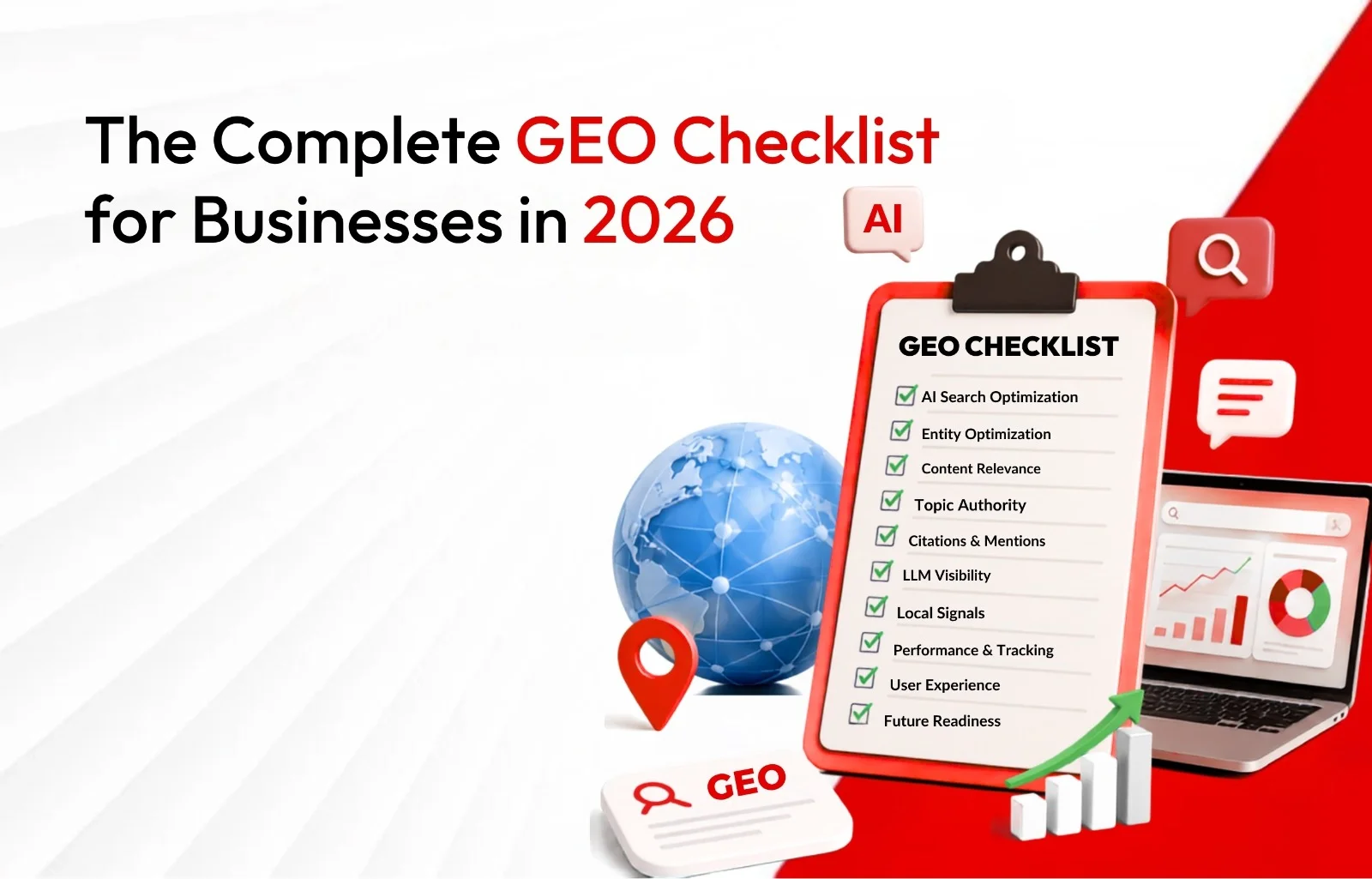
A few years ago, winning the digital race meant one thing: ranking on the first page of Google. Businesses invested heavily in SEO, researched keywords, built backlinks, and celebrated every jump in rankings. But 2026 has rewritten the rules.
Today, a customer is just as likely to ask, "Which digital marketing agency can help my healthcare brand grow?" of AI tools as they are to type a search query into Google. Instead of scrolling through ten blue links, they receive a curated answer in seconds. The businesses mentioned in that answer become the ones users trust, and the ones left out may never even get noticed.
This shift has given rise to Generative Engine Optimization (GEO), a new approach to digital visibility that focuses on helping AI-powered search platforms understand, trust, and recommend your business. Unlike traditional SEO, where the goal was to rank higher, GEO is about becoming the most credible and comprehensive source of information.
The good news?
You don't need to rebuild your website from scratch. You simply need to rethink how your content is created, structured, and maintained. If you're wondering where to begin, this complete GEO checklist will help you prepare your business for the AI-first future of search.
One of the biggest shifts from SEO to GEO is the way people search. Users no longer rely on short phrases like "best marketing agency Pune" or "website design company." Instead, they ask detailed, conversational questions that reflect exactly what they need.
AI search engines are designed to understand these natural conversations. Their priority is not finding pages with the highest keyword density but identifying content that genuinely solves a user's problem. That's why businesses need to move beyond writing for algorithms and start writing for people.
For example, instead of publishing a blog titled "Benefits of SEO," consider creating content like "How Can SEO Help Small Businesses Generate More Leads in 2026?" The second approach answers a real question, provides context, and is much more likely to be referenced by AI.
Every piece of content should educate, explain, and guide rather than simply promote your services. Businesses that consistently publish practical insights, expert advice, and in-depth explanations naturally become more valuable sources for AI platforms.
Ask yourself before publishing any content:
When your content becomes genuinely helpful, AI has every reason to recommend it.
Imagine walking into a library where every book is scattered randomly across the floor. Even if the books contain brilliant information, finding anything useful would be frustrating.
A poorly structured website creates the same problem for AI.
Generative AI models rely on clear organization to understand what your pages are about. Logical headings, concise paragraphs, descriptive page titles, and meaningful internal links all help AI identify the relationship between different pieces of content.
Instead of overwhelming readers with large blocks of text, organize your information into sections that flow naturally. A well-structured article not only improves readability for users but also makes it easier for AI to extract relevant information.
Equally important is implementing technical elements like Schema Markup. Structured data provides additional context about your business, services, reviews, FAQs, authors, and products, allowing AI systems to interpret your website with greater confidence.
Think of your website as a conversation. If your ideas are clear and organized, both people and AI will understand them effortlessly.
Here's something many businesses overlook: AI doesn't simply search for information; it evaluates credibility.
Before recommending a business, AI looks for trust signals that indicate whether the information comes from an authoritative source. If your website lacks transparency or evidence of expertise, it becomes much harder for AI to confidently reference your content.
Instead of making broad marketing claims like "We're the best digital marketing agency," demonstrate your expertise through measurable outcomes, original insights, and real experiences.
Adding elements like customer success stories, industry research, author credentials, testimonials, and updated content significantly strengthens your authority. These aren't just confidence boosters for visitors; they're credibility signals for AI.
Ask yourself:
Businesses that focus on building trust rather than simply promoting themselves are the ones AI is most likely to recommend.
Exceptional content alone isn't enough if users struggle to navigate your website. AI increasingly recognizes that a positive user experience reflects content quality. If visitors leave your website immediately because pages load slowly or navigation is confusing, it sends a signal that the experience may not be meeting user expectations.
A GEO-ready website should feel effortless to explore. Every click should guide users naturally toward the information they need, without unnecessary distractions or obstacles.
Here are a few essentials every business should check regularly:
These improvements may seem small individually, but together they create a seamless experience that benefits both users and AI systems evaluating your website.
Remember, AI wants to recommend businesses that people enjoy interacting with—not just businesses with informative content.
One of the biggest misconceptions in digital marketing is that publishing content is the final step. In reality, GEO rewards businesses that continuously improve and expand their knowledge.
AI prefers information that remains current, accurate, and interconnected. An outdated article with old statistics is far less valuable than one that has been refreshed with new data, recent examples, and updated insights.
Instead of creating dozens of unrelated blogs, build a connected knowledge hub around your expertise. If you're a digital marketing agency, your content should naturally connect topics like SEO, GEO, AI search, branding, content marketing, social media strategy, and website optimization.
This interconnected approach helps AI understand not just individual pages but the breadth of your expertise.
Maintain a regular review process by:
The more complete and connected your content ecosystem becomes, the stronger your authority grows in the eyes of AI.
Before considering your website AI-ready, take one final look at these essentials:
The future of search is becoming less about links and more about answers. As AI-powered search continues to transform how people discover businesses, brands that prioritize helpfulness, credibility, and clarity will have a significant advantage. Whether you're a startup, an enterprise, or an established SEO company in Pune,adapting to this shift is no longer optional; it's essential to staying visible in an AI-driven digital landscape.
Generative Engine Optimization isn't replacing SEO; it is building it. The businesses that succeed in 2026 will be those that create content people trust, structure information intelligently, and consistently demonstrate expertise across every touchpoint.
The question is no longer, "How do I rank on Google?" Instead, it's "Would an AI confidently recommend my business to someone asking for the best solution?"
If the answer is yes, you're not just prepared for the future of search; you'll be leading it.
 Contact Us


